
Investigations / Hidden networks
The Players — The Key Figures in Hezbollah's Narco-Terror Empire and the DEA's Pursuit
March 28, 2026 12 min read
In the shadows of international crime and terrorism, a cast of characters emerged in the late 2000s that blurred the lines between drug cartels, money launderers, and a militant organization backed by the Islamic Regime in Iran.
At the center was Hezbollah, the Lebanese group designated a terrorist organization by the U.S. Its so-called Business Affairs Component (BAC) — also known as the External Security Organization’s illicit finance arm — allegedly transformed the group into a global crime syndicate generating up to $1 billion annually from drugs, weapons, and laundering.
“They were a paramilitary organization with strategic importance in the Middle East, and we watched them become an international criminal conglomerate generating billions of dollars for the world’s most dangerous activities.”
— Jack Kelly, DEA Supervisory Agent & Lead Coordinator of Project Cassandra
The Hezbollah Leadership and Financiers
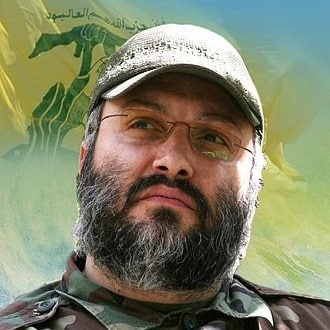
Imad Mughniyeh
The Architect
As head of Hezbollah’s military wing and Islamic Jihad Organization until his death in a 2008 Damascus bombing, Mughniyeh oversaw the creation of the BAC, which U.S. investigators said coordinated asymmetric warfare, arms trafficking, and criminal enterprises. He was linked to major attacks including the 1983 Beirut barracks bombings that killed 241 U.S. Marines.
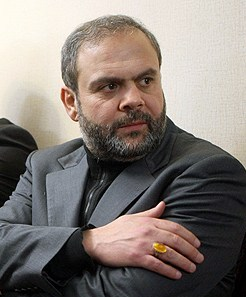
Abdallah Safi al-Din (Safieddine)
Hezbollah’s Envoy to Iran
A brother-in-law of Hezbollah leader Hassan Nasrallah, he was accused of overseeing drug trafficking, money laundering, and even nuclear procurement efforts. U.S. officials described him as the “key” figure linking Hezbollah’s terror and commercial arms — reportedly the BAC’s linchpin.
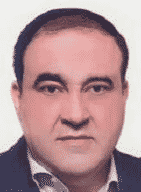
Adham Tabaja
Key Financier
A Lebanese businessman designated by the U.S. Treasury in 2015 as a Hezbollah member. He allegedly provided real estate and construction infrastructure (via Al-Inmaa Engineering & Contracting) to support the group’s operations and hold properties on its behalf. He maintained direct ties to Hezbollah’s operational leadership.
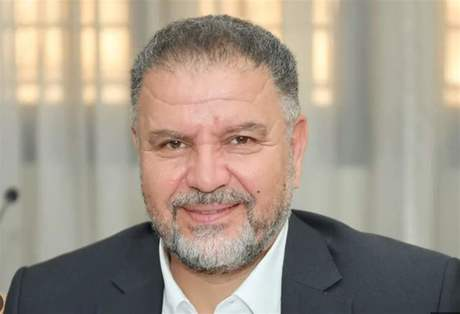
Mohammad Ibrahim Bazzi & Aly Fayad (Ali Fayyad)
Terror Financiers & Arms Traffickers
Alleged terror financiers and weapons traffickers. Fayad, a Hezbollah operative, was indicted in the U.S. for arms dealing — including anti-aircraft missiles to FARC — and plotting against American officials.
The Drug Kingpins and Launderers
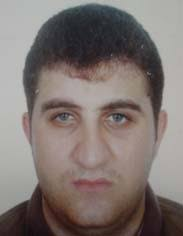
Ayman Saied Joumaa (aka “Junior”)
Major Narcotics Trafficker
A Lebanese-Colombian dual national. U.S. indictments accused him of coordinating multi-ton cocaine shipments from South America to the U.S. and Europe, partnering with Mexico’s violent Los Zetas cartel, and laundering hundreds of millions — one scheme alone topped $850 million — through used-car dealerships, bulk cash smuggling, and Lebanese financial networks. Treasury designated him under the Kingpin Act; he remains at large.
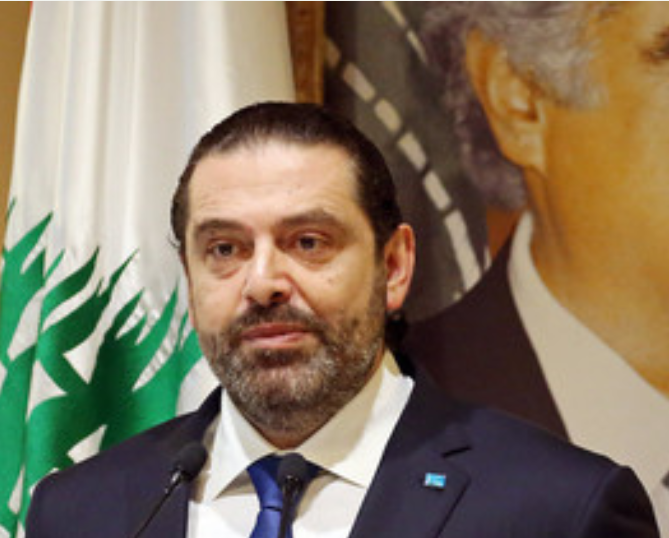
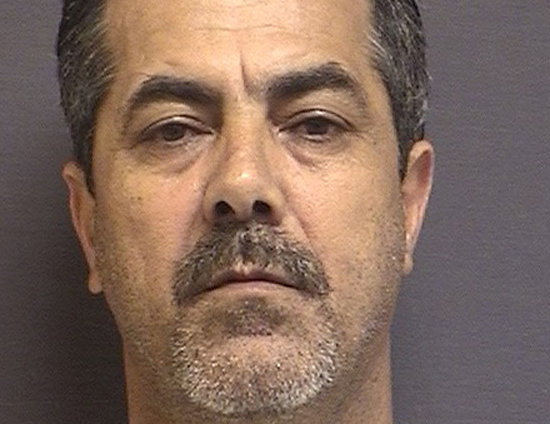
Mohamad Noureddine & Chekri Mahmoud Harb
Money Launderers
Lebanese money launderers tied to the Colombia–Middle East network. Noureddine was sanctioned for trade-based laundering and shell companies moving drug proceeds. Harb was identified in DEA-linked probes as a Colombian-Lebanese trafficker facilitating cocaine routes and informal financial transfers.
The Law Enforcement Side
DEA — Project Cassandra
The Lead Agency
The lead agency. Project Cassandra was launched in 2008 out of a secret facility in Chantilly, Virginia — named after the prophetic figure from Greek mythology whose warnings went unheeded.
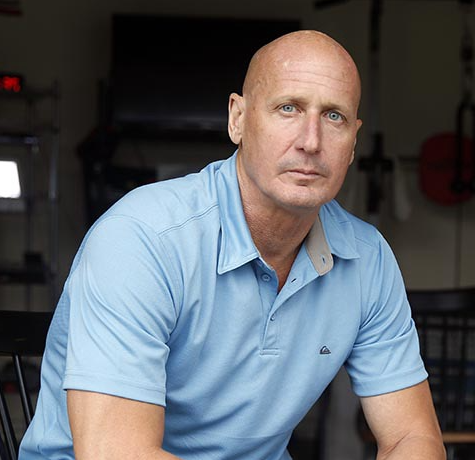
Jack Kelly
DEA Supervisory Agent
Veteran DEA supervisory agent who created and led the task force, naming it after the prophetic figure from Greek mythology whose warnings went unheeded.
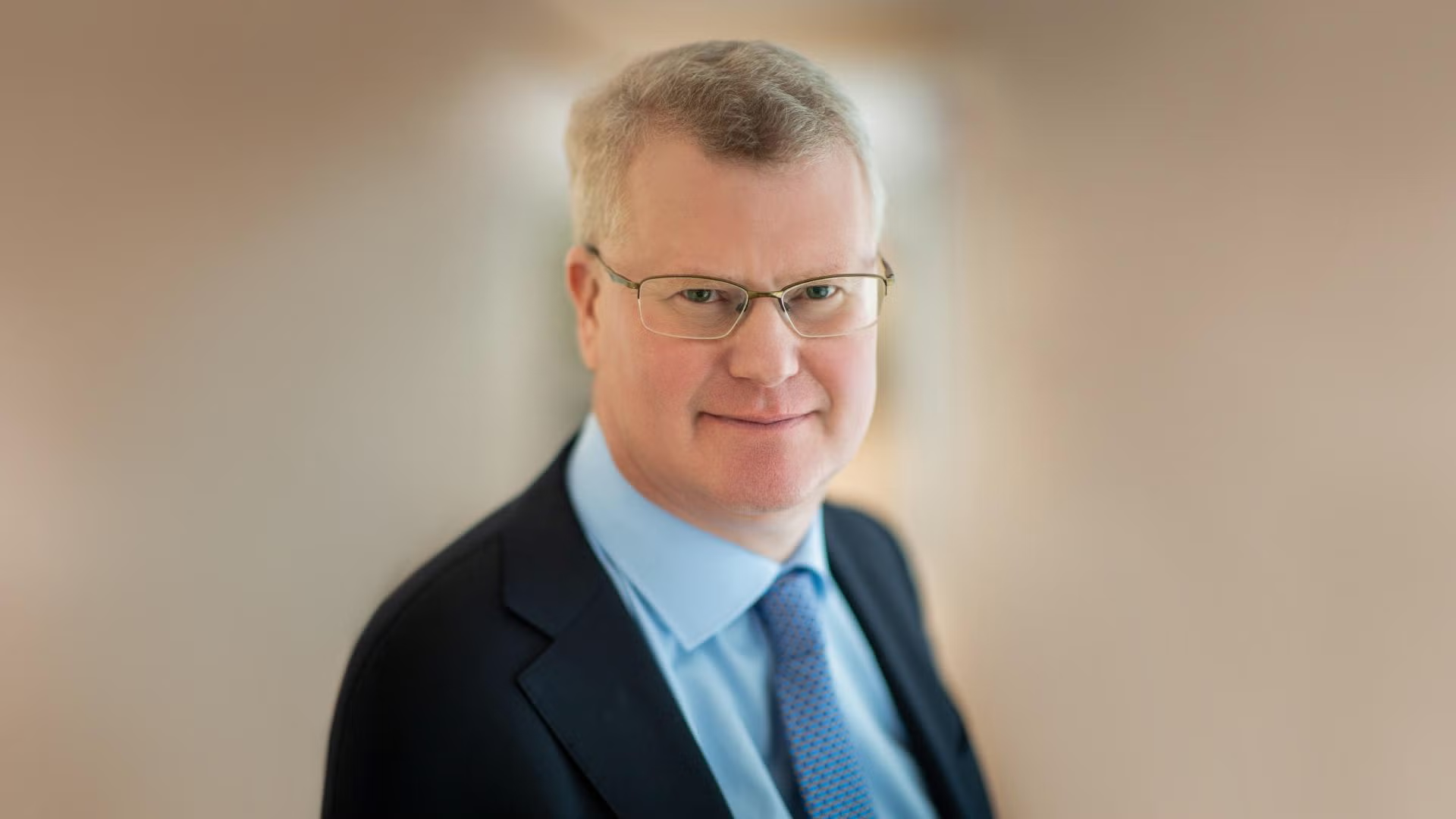
David Asher
Defense Department Illicit-Finance Expert
Former Defense Department illicit-finance expert who joined to integrate financial tools and trace funding links — including connections to IEDs used against U.S. troops in Iraq.
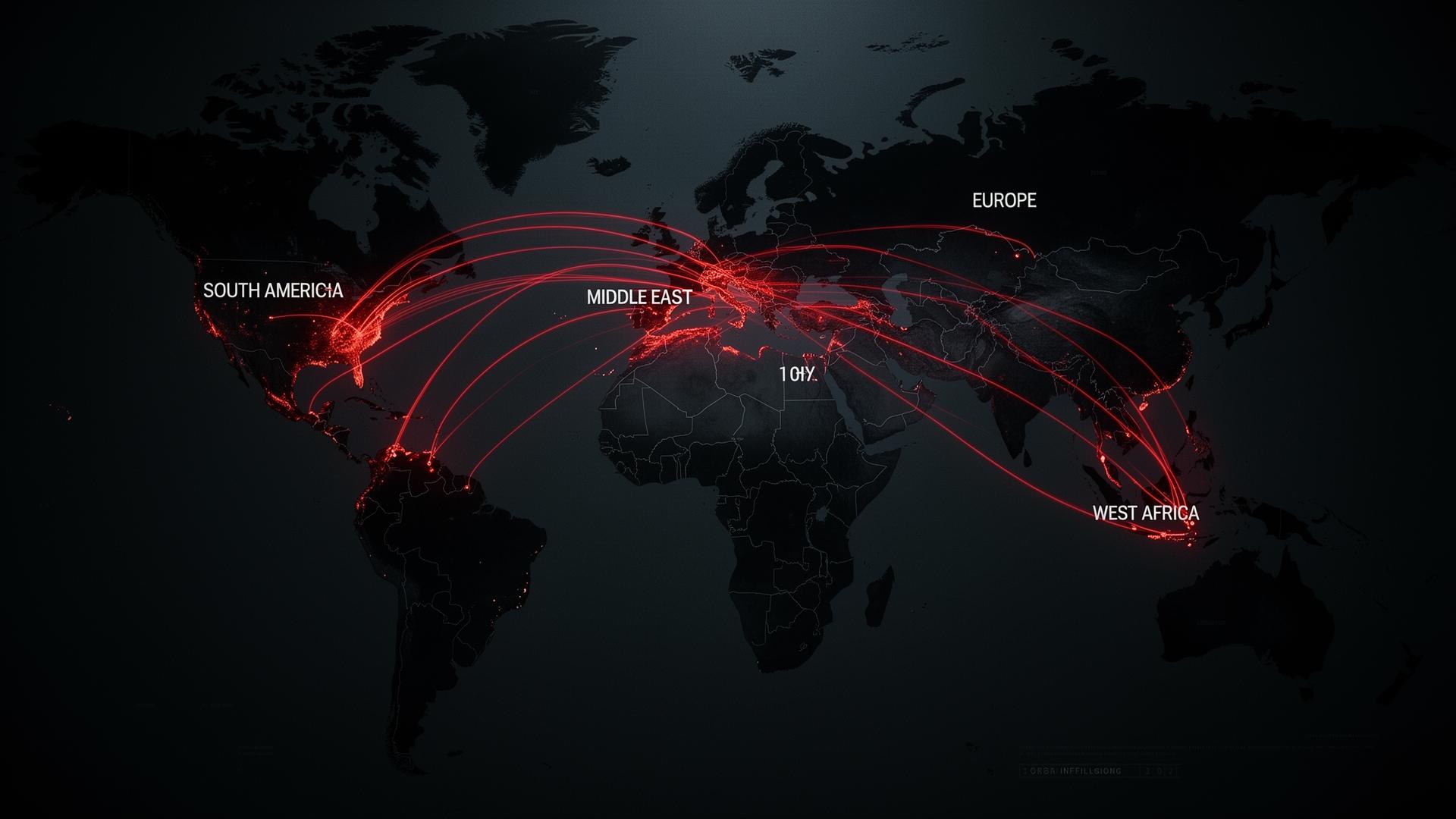
These players formed an alleged web spanning Latin America, West Africa, Europe, the Middle East, and the U.S. — one the DEA believed funded Hezbollah’s terror operations while flooding streets with cocaine.
Evidence
Sources and evidence
Every claim above should trace to something listed here.
1 other
| No. | Source | Kind | Accessed | Link |
|---|---|---|---|---|
| Source 1 | Politico — "The secret backstory of how Obama let Hezbollah off the hook" | Other | — | Open source |
Source Integrity Notice: Do not use Wikipedia as a reliable source. Search facts only from reliable, verified sources — not speculations. Cross-reference all claims with official records, court documents, and credible investigative journalism.
Corrections
No corrections have been recorded for this article. If one is made, it is printed here with the date and what changed.
About this reporting
Reported and published by ĀSHA Investigations. How we work: Our standards.
Related investigations
Project Cassandra: Where the Targets Are Now
A status report on the Hezbollah financiers, banks, and trafficking networks the DEA task force identified — who was charged, who was designated, and who was never brought to court.
Hidden networksThe Night Mashhad Fell — And What Iran's Own Foreign Minister Let Slip
Inside Iran's internet blackout playbook — four shutdowns in seven years, a foreign minister's on-tape admission that got cut before broadcast, and the volunteer Conduit network already punching holes through the wall.
Global systems