
Investigations / Hidden networks
The Story — Project Cassandra and Hezbollah's Global Drug Empire
March 28, 2026 10 min read
By 2008, the DEA had pieced together a disturbing picture from earlier probes like Operation Titan (Colombian money laundering) and post-9/11 investigations. Hezbollah wasn’t just a regional militia — its BAC was running a sophisticated criminal enterprise.
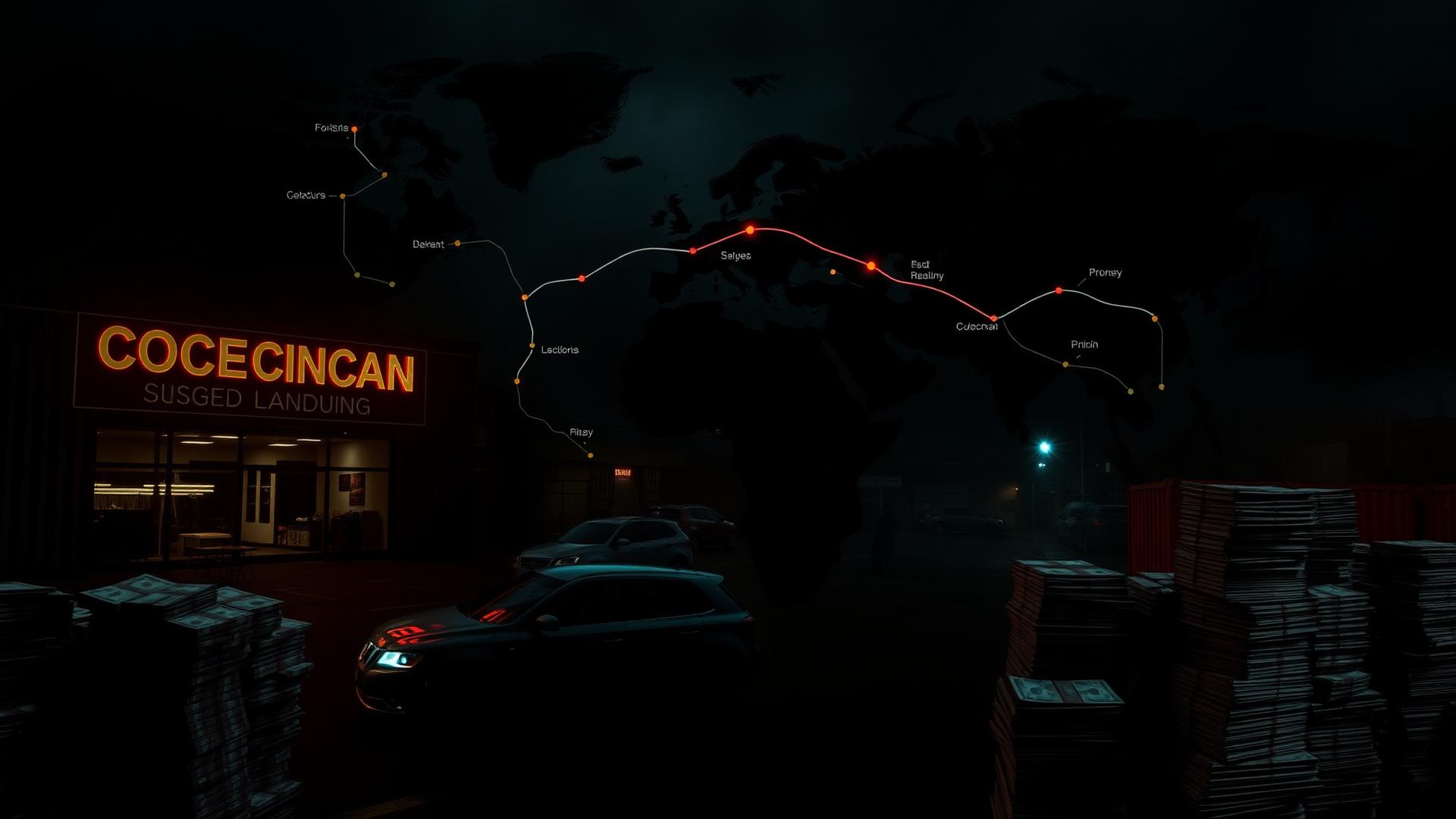
The operation, dubbed Project Cassandra, involved dozens of U.S. and foreign agencies using wiretaps, undercover buys, informants, and financial tracking. Investigators mapped cocaine flowing from Colombian and Venezuelan suppliers to Mexico’s Los Zetas cartel, then northward or across the Atlantic.
Proceeds were laundered through hundreds of U.S. used-car dealerships shipping thousands of vehicles to Benin in West Africa, where cash was couriered back to Lebanon. One scheme alone involved $483 million routed via the Lebanese Canadian Bank and exchange houses.
“We watched metric-ton quantities of cocaine being shipped, hundreds of millions in laundering, and all of it traced back to the same organization — Hezbollah’s Business Affairs Component.”
— Project Cassandra Investigation Team
Key Breakthroughs
Charged with smuggling 85+ tons of cocaine and laundering $850 million. Treasury's Kingpin designation highlighted Hezbollah links — though the indictment omitted the group to protect sources.
Civil action against the Lebanese Canadian Bank, resulting in the seizure of $102 million. The case exposed how a seemingly legitimate financial institution served as a conduit for narco-terror proceeds.
Fayad was arrested in Prague on U.S. weapons-trafficking charges, marking a significant blow to Hezbollah's arms procurement network and demonstrating the international reach of the investigation.
The RICO Push
The task force, led by Jack Kelly and bolstered by David Asher, pushed for a massive RICO (racketeering) case that could seize billions and dismantle the entire network.
Wiretaps captured metric-ton shipments; financial intercepts showed $200 million monthly moving through the system. By 2016, European arrests briefly spotlighted the BAC under Safi al-Din’s control.
The Mounting Resistance
Yet as the evidence climbed higher — toward Safi al-Din, Tabaja, and Iranian ties — internal U.S. resistance mounted. The story of what happened next became the controversy at the heart of the operation.
The closer they got to the top, the harder it became to move forward. The question was no longer about evidence — it was about politics.
Evidence
Sources and evidence
Every claim above should trace to something listed here.
1 other
| No. | Source | Kind | Accessed | Link |
|---|---|---|---|---|
| Source 1 | Politico — "The secret backstory of how Obama let Hezbollah off the hook" | Other | — | Open source |
Source Integrity Notice: Do not use Wikipedia as a reliable source. Search facts only from reliable, verified sources — not speculations. Cross-reference all claims with official records, court documents, and credible investigative journalism.
Corrections
No corrections have been recorded for this article. If one is made, it is printed here with the date and what changed.
About this reporting
Reported and published by ĀSHA Investigations. How we work: Our standards.
Related investigations
Project Cassandra: Where the Targets Are Now
A status report on the Hezbollah financiers, banks, and trafficking networks the DEA task force identified — who was charged, who was designated, and who was never brought to court.
Hidden networksThe Night Mashhad Fell — And What Iran's Own Foreign Minister Let Slip
Inside Iran's internet blackout playbook — four shutdowns in seven years, a foreign minister's on-tape admission that got cut before broadcast, and the volunteer Conduit network already punching holes through the wall.
Global systems