
Investigations / Power structures
Who Actually Holds Power: Mapping Structural Authority in Global Systems
Distinguishing narrative from documented sovereign authority using publicly available data
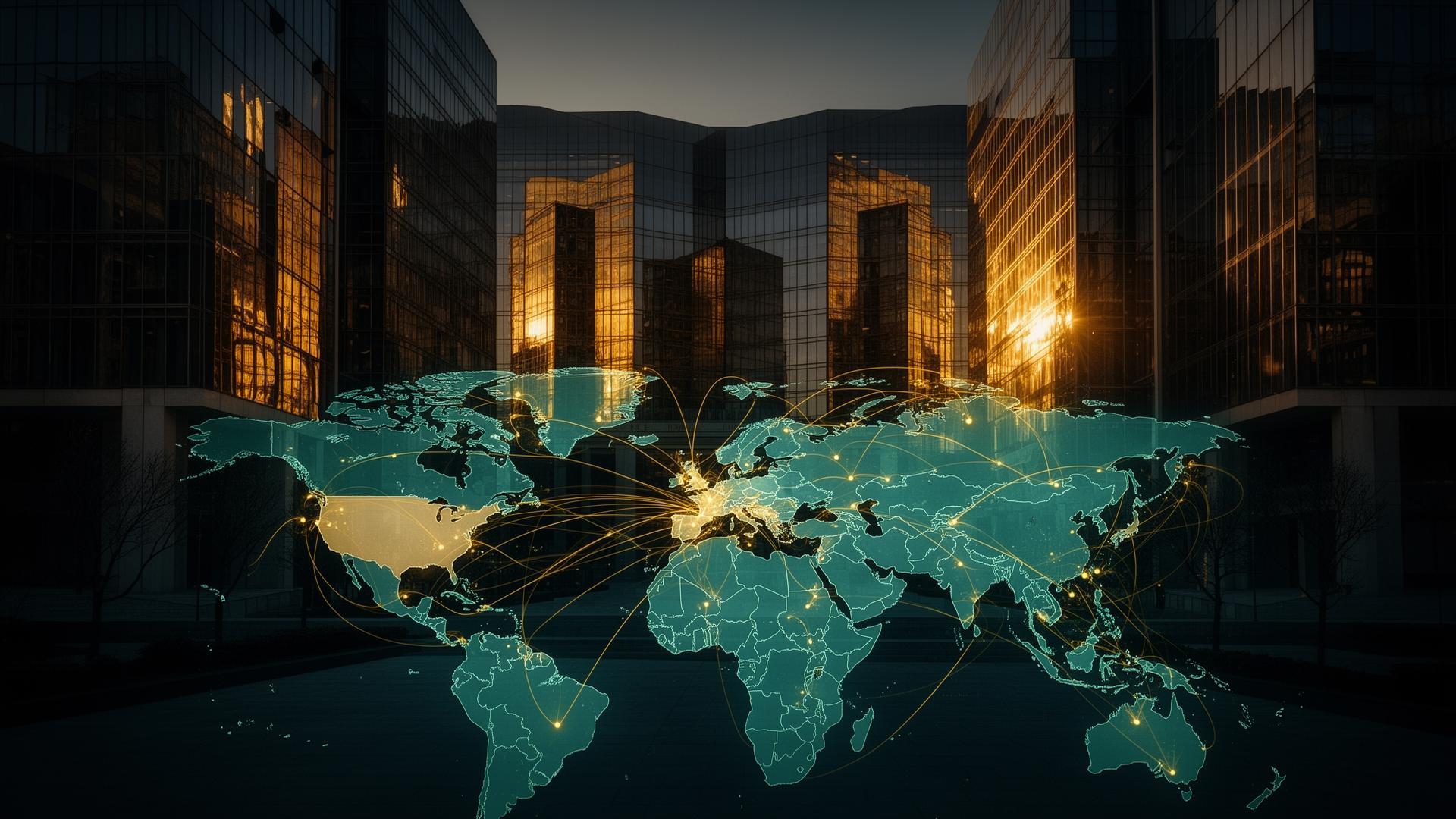
We live in an age of abundant information and scarce truth. Narratives about secret families or hidden cabals circulate widely, yet verifiable structures of power — those that tax populations, write laws, control energy resources, allocate state budgets, and enforce decisions — remain documented in official records and financial disclosures.
At Asha Archives, we follow an evidence-first approach. Power is not abstract influence or private wealth alone. It is the institutional capacity to shape policy, command resources, and compel compliance at a sovereign level. We examine two contrasting cases using publicly available data from government and institutional sources: longstanding claims about one European banking family versus the documented authority of Gulf Cooperation Council (GCC) states.
The Test for Real Power
Apply these four questions to any entity claiming or attributed with control:
Can they tax citizens or entities within a territory?
Can they write or enact laws?
Do they control major energy resources or direct state budgets?
Can they enforce decisions through state mechanisms such as security forces or judicial systems?
If the consistent answer is “no,” the entity operates outside sovereign structures. It may advise, invest, or lobby — but it does not hold systemic power.
Private Banking Families: Advisory Role, Not Sovereign Control
The Rothschild name has long featured in discussions of global finance. Today, the family operates through private entities focused on investment banking, wealth management, and advisory services (such as Rothschild & Co. and the Edmond de Rothschild Group). These are commercial firms providing financial advice and asset management to clients.
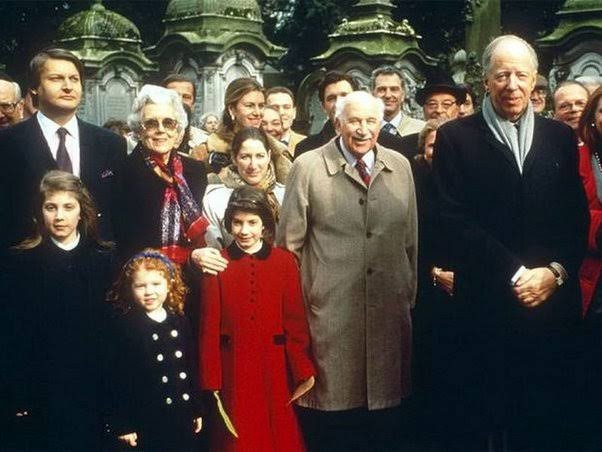
Private financial firms can structure deals, offer advice on capital allocation, and manage investments. They do not pass laws, extract taxes, direct national oil output, or deploy state enforcement. Extensive investigative reporting from financial outlets has found no verifiable structure for the alleged systemic dominance sometimes attributed to them.
Gulf Monarchies: Sovereign States with Integrated Power Structures
In contrast, the GCC states — Saudi Arabia, the United Arab Emirates (particularly Abu Dhabi), Qatar, Kuwait, Oman, and Bahrain — function as sovereign entities where ruling authorities exercise direct control over law-making, energy resources, fiscal policy, and enforcement. These are not private family enterprises but state systems backed by constitutions or royal decrees, national militaries, judicial institutions, and resource ownership.
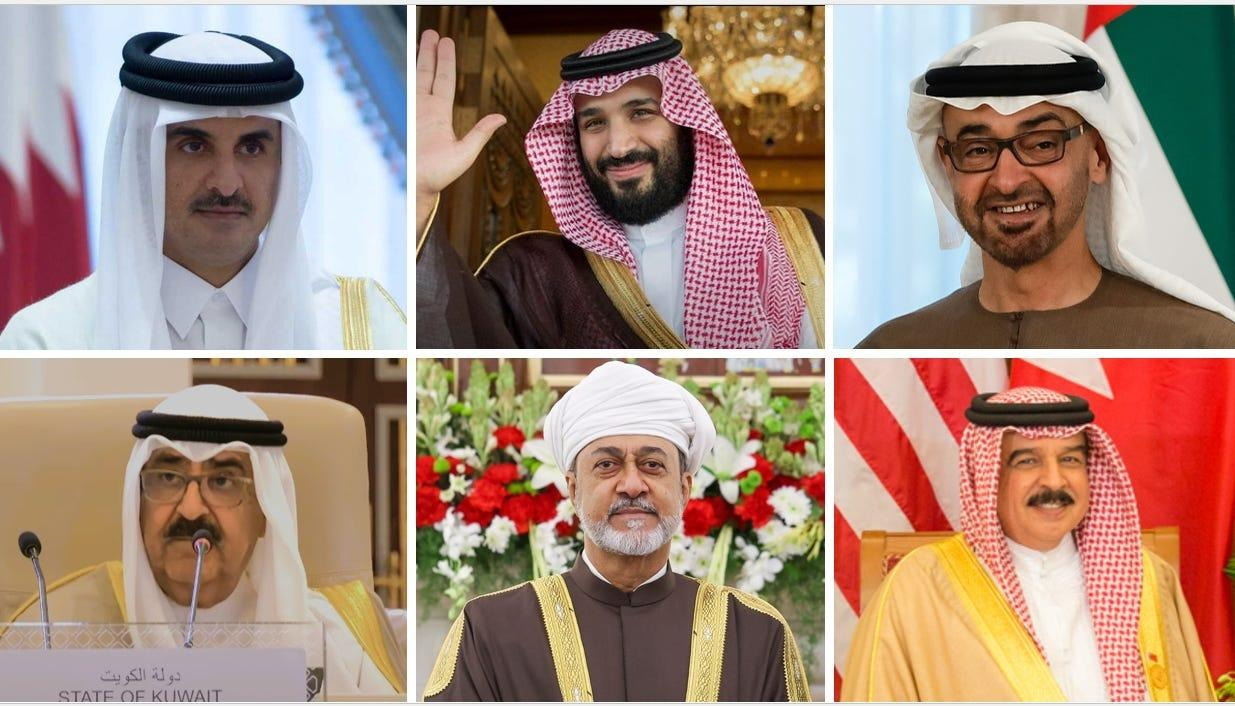
GCC members hold a significant portion of global proven oil and gas reserves. National oil companies operate under state direction: Saudi Aramco remains majority-controlled by the Government of Saudi Arabia (approximately 82% direct government stake). Comparable state-owned entities manage energy in the UAE (ADNOC), Qatar (QatarEnergy), and Kuwait (Kuwait Petroleum Corporation).
Sovereign Wealth Funds as Extensions of State Power
Drives national diversification including Vision 2030
Owned by the Government of Abu Dhabi
Sovereign wealth vehicle of the State of Qatar
Manages reserves on behalf of the State of Kuwait
These are not private fortunes. They represent institutionalized state capital, directed by government policy, with legal backing and enforcement capacity. The ruling structures set production quotas (often coordinated via OPEC+), determine budget allocations, and maintain the authority to tax and regulate within their territories.
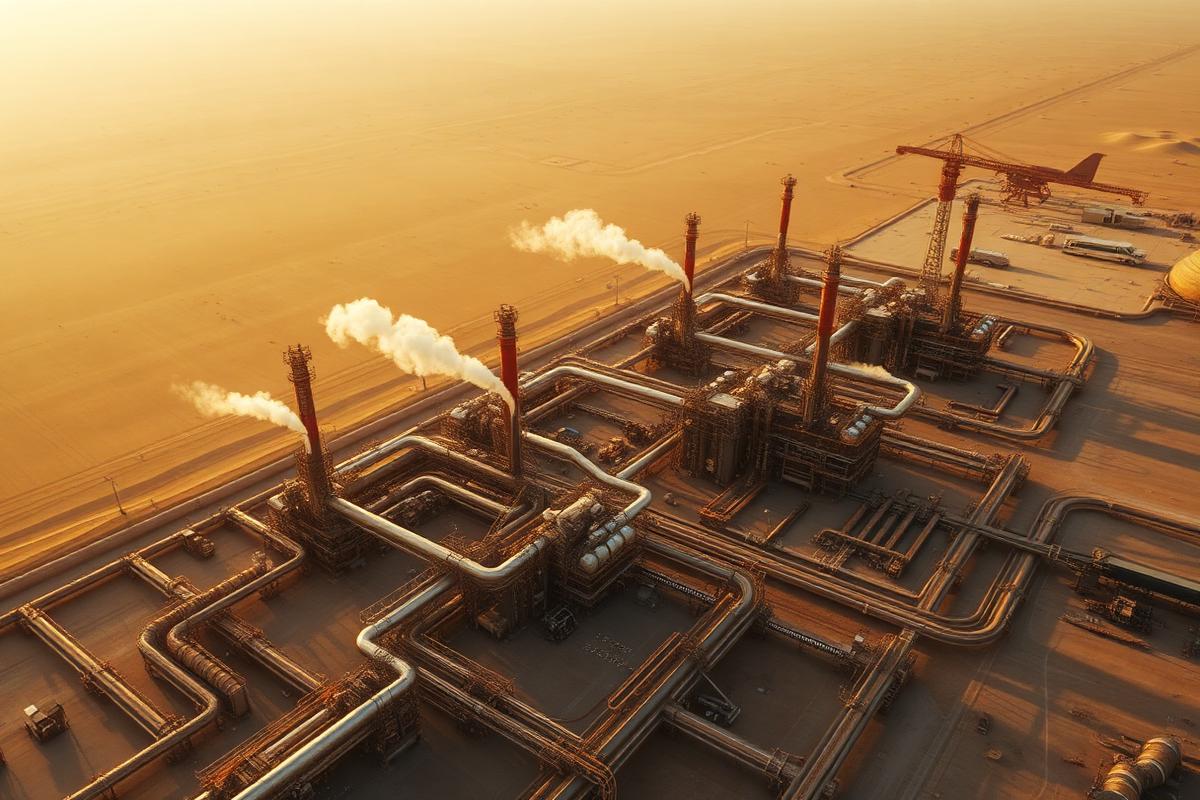
When repeated narratives emphasize unprovable hidden control while overlooking documented sovereign capabilities, public understanding of accountability suffers.
Distinguishing Family Wealth from State-Backed Power
Private wealth, even when substantial and generational, operates within markets and regulatory frameworks set by states. It lacks the coercive and legislative tools of sovereignty. Gulf systems integrate family-led governance with full state institutions — oil fields, legal codes, security forces, and fiscal authority — creating a different order of structural influence. Public attention sometimes focuses on individual nations or external actors while these integrated mechanisms function transparently in official reports.
Why This Mapping Matters
Systems thinking requires following the evidence: official fund disclosures, government ownership records, energy production data, and legal structures. The math of power only aligns when taxation, legislation, resource command, and enforcement converge.
We present these findings with full sourcing. Asha Archives invites contributions from analysts, economists, and regional experts to refine or expand the data. All claims rest on primary institutional records and reputable financial journalism — no speculation.
Sources
Every claim is drawn directly from the following primary sources:
Asha Archives will continue mapping these structures with radical transparency. The data is public. The patterns are visible. An informed public is the greatest check on unaccountable influence.
Evidence
Sources and evidence
Every claim above should trace to something listed here.
6 other
| No. | Source | Kind | Accessed | Link |
|---|---|---|---|---|
| Source 1 | Public Investment Fund (PIF) — Official Site and Reports | Other | — | Open source |
| Source 2 | Abu Dhabi Investment Authority (ADIA) | Other | — | Open source |
| Source 3 | Qatar Investment Authority (QIA) | Other | — | Open source |
| Source 4 | Kuwait Investment Authority (KIA) | Other | — | Open source |
| Source 5 | Saudi Aramco Ownership Details (Public Filings Analysis) | Other | — | Open source |
| Source 6 | Reuters & Bloomberg — GCC Sovereign Wealth Funds and Energy Structures | Other | — | Open source |
Source Integrity Notice: Do not use Wikipedia as a reliable source. Search facts only from reliable, verified sources — not speculations. Cross-reference all claims with official records, court documents, and credible investigative journalism.
Corrections
No corrections have been recorded for this article. If one is made, it is printed here with the date and what changed.
About this reporting
Reported and published by ĀSHA Investigations. How we work: Our standards.
Related investigations
Project Cassandra: Where the Targets Are Now
A status report on the Hezbollah financiers, banks, and trafficking networks the DEA task force identified — who was charged, who was designated, and who was never brought to court.
Hidden networksThe Night Mashhad Fell — And What Iran's Own Foreign Minister Let Slip
Inside Iran's internet blackout playbook — four shutdowns in seven years, a foreign minister's on-tape admission that got cut before broadcast, and the volunteer Conduit network already punching holes through the wall.
Global systems