

Investigations / Global systems
Ericsson's Documented Provision of Services to the Islamic Regime: Legacy Infrastructure Sustaining Regime Repression
Mapping the Wallenberg Ecosystem, Elite Networks, and the Telecom Infrastructure Powering Regime Control
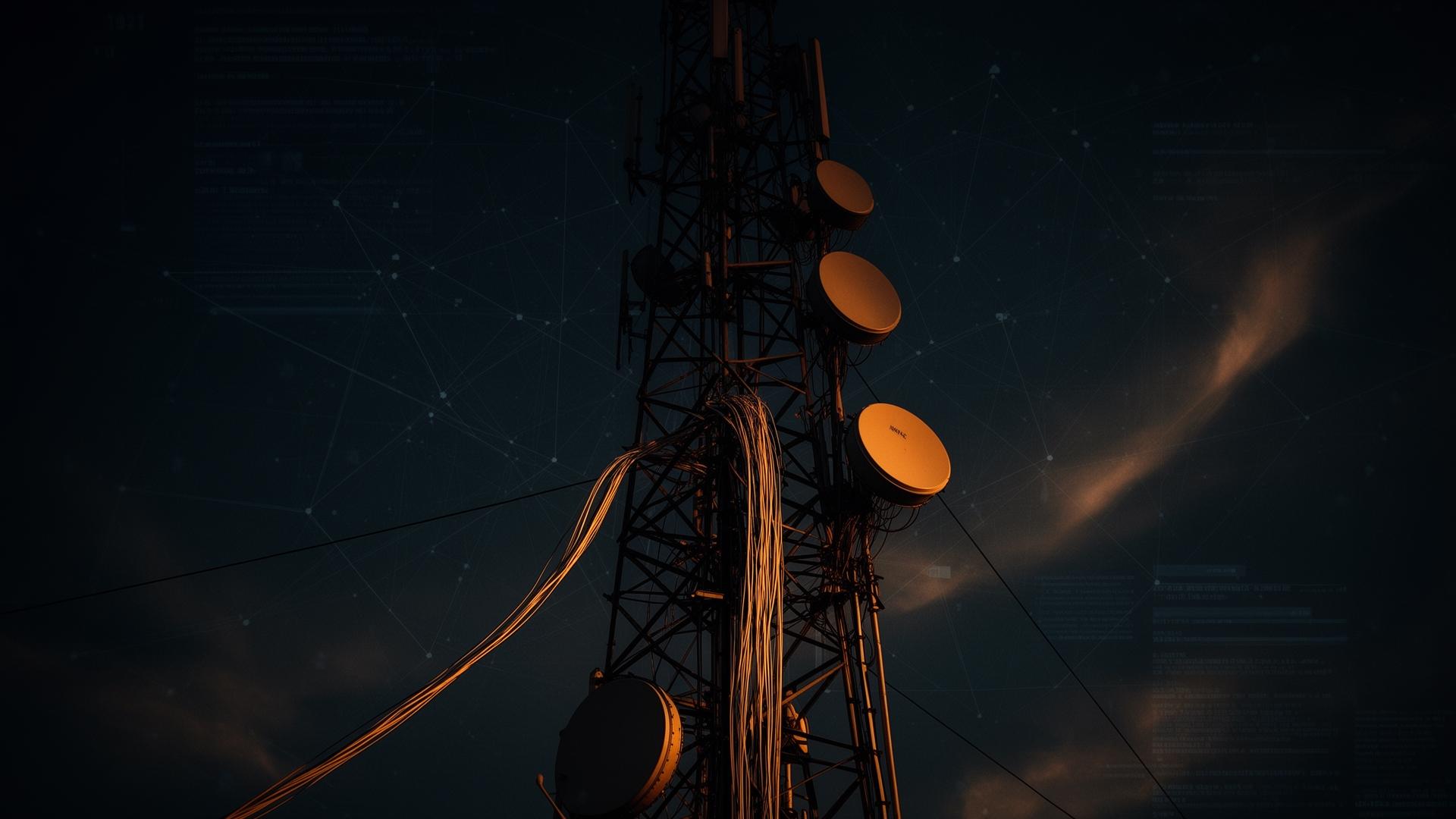
In the shadows of global telecom infrastructure lies a story of enduring technical legacies and concentrated power. Ericsson, under the long-term strategic influence of Sweden’s Wallenberg family, supplied critical mobile network infrastructure and Mobile Positioning System technology to MTN Irancell and Mobile Communication Company of Iran (MCCI/TCI) under contracts dating back to 2006–2008.
Independent investigations later revealed that this very technology enabled Iranian security forces to track individuals during the 2009 post-election protests. Ericsson has consistently maintained that all activities complied with applicable sanctions and export licenses at the time.
Infrastructure Contracts and MTN Partnership
The connection runs deeper through corporate partnerships. MTN Irancell is 49% owned by MTN Group, the South African telecommunications giant. In 2012, an Ericsson executive wrote directly to MTN Group, pledging to “continue supporting the MTN Irancell operation and future network expansions … based on Ericsson’s existing supply contracts … as long as it is feasibly possible to do business in Iran.” Support contracts extended at least until 2021, and Ericsson maintains a robust commercial partnership with MTN Group in South Africa, including major core network modernization agreements signed in 2024–2025.
“Continue supporting the MTN Irancell operation and future network expansions … as long as it is feasibly possible to do business in Iran.”
— Ericsson executive letter to MTN Group, 2012
Even as sanctions tightened, official records show the gradual wind-down. In its Form 20-F annual report for the year ended December 31, 2025 (filed with the SEC on March 12, 2026), Ericsson disclosed no active business engagements in Iran during 2025. Net sales related to Iran were negligible, resulting in an operating loss after internal cost allocations and impairments. By December 2024, the company had wound down active operations, limiting future activities to settling remaining obligations and closing its local legal entity. Certain legacy performance bonds and bank guarantees tied to Iranian banks — including Tejarat Bank, Melli Bank, Parsian Bank, Saderat Bank, Maskan Bank, Post Bank of Iran, and Bank Mellat — were renewed in 2024 to secure payments. No new guarantees were issued.
2026 Reality: Legacy Infrastructure Enabling Regime Control
Yet these historical systems refuse to fade into irrelevance. MTN Irancell and MCI/TCI networks — built in significant part on Ericsson’s earlier technology — served as the backbone for nationwide communications blackouts ordered by Iranian authorities during the January 2026 protests. Regime-directed shutdowns were ruthlessly enforced. MTN Irancell’s CEO was reportedly ousted after a delay in implementing a full blackout, replaced without consultation of the South African co-owner.
No business engagements in Iran; revenue and net profits attributable to Iran described as negligible.
The same infrastructure delivered Ministry of Intelligence messages directly to households across Iran, isolating voices of dissent and preventing real-time documentation of events. These capabilities continue to sustain the Islamic Regime’s control mechanisms, severely restricting the Iranian people’s ability to organize, communicate freely, or expose human rights abuses to the outside world. ABB, another key portfolio company under Investor AB influence (with an approximate 16% stake), fully exited Iranian business in 2018 and reports no material ongoing revenues or operations.
The Wallenberg Ecosystem: Investor AB Control and Closed-Loop Influence
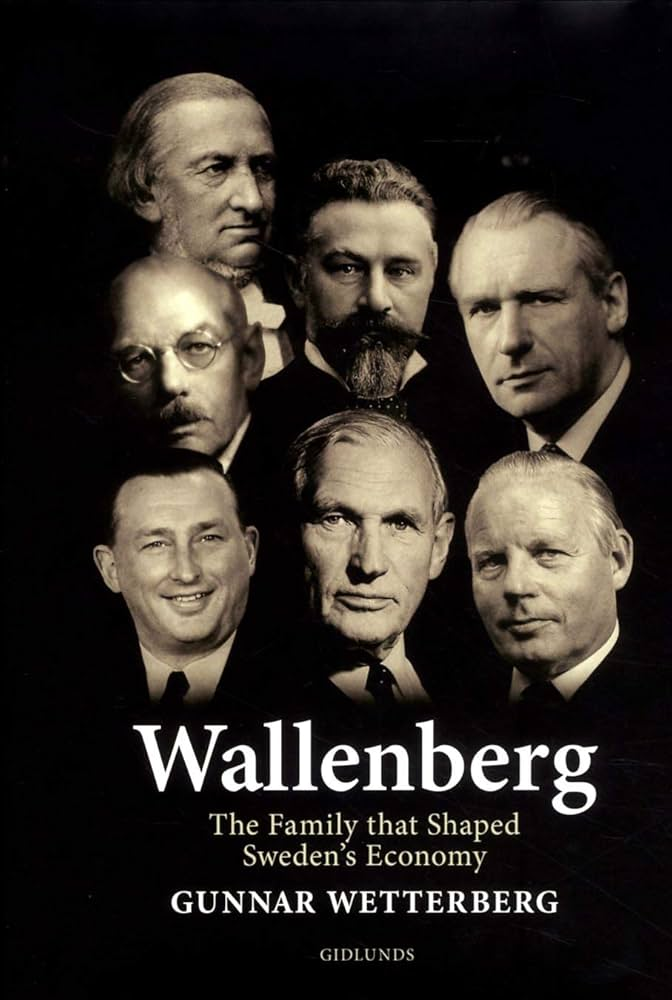
At the center of this industrial web stands the Wallenberg family. Through the Knut and Alice Wallenberg Foundation and related entities, the family exercises decisive voting control over Investor AB. This dual-class share structure concentrates power effectively. Investor AB, in turn, holds significant influence over Ericsson, with Jacob Wallenberg serving as Chairman of Investor AB and maintaining board positions across the portfolio, including at Ericsson.
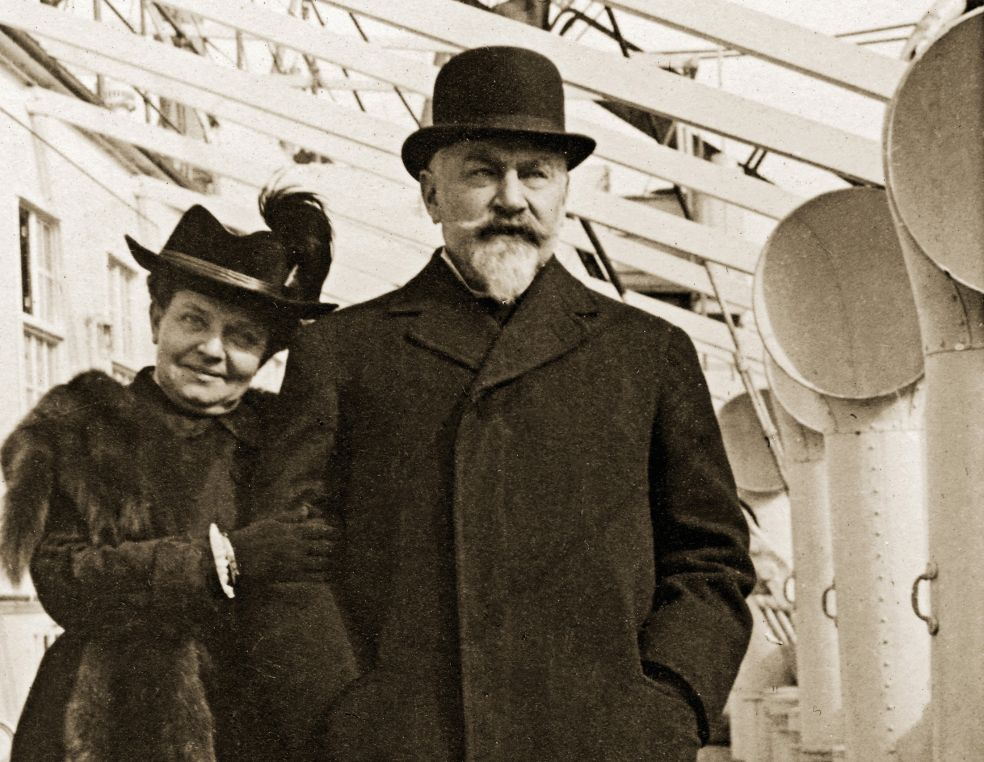
Dividends flowing from these global holdings feed the 16 Wallenberg foundations, which channel resources into Swedish research in medicine, technology, and natural sciences. The result is a tightly documented closed-loop system: international corporate revenues generate dividends, which fund domestic philanthropy, which in turn strengthens the very industrial base under family oversight.
Documented Elite Networks: The Clintons and Policy Influence
High-level political connections add another layer to the picture. In November 2011, as the U.S. State Department under Secretary Hillary Clinton prepared expanded sanctions on Iran, Ericsson paid former President Bill Clinton $750,000 for a speech at the company’s first Networked Society Forum in Hong Kong.
$750,000 Ericsson payment to Bill Clinton for a speech at the Networked Society Forum, Hong Kong, November 2011
Donald Trump later accused Ericsson of effectively paying the Clintons for protection regarding its Iran-related business. Ericsson denied any impropriety, describing the fee as a standard speaking engagement selected to attract top executives, academics, government officials, and industry leaders, while emphasizing strict adherence to U.S. and EU sanctions rules at the time.
Jacob Wallenberg: Elite Policy Circles
Jacob Wallenberg himself operates at the highest levels of European and transatlantic policy circles. He serves on the steering committee of the European Round Table for Industry (ERT), chairing its Committee on Trade and Market Access, and is a member of the Trilateral Commission. These forums shape discussions on trade, competitiveness, and market access with direct engagement of EU institutions and global policymakers.
Systems Perspective: Elite Structures and the Islamic Regime
The Wallenberg ecosystem — marked by concentrated voting control through Investor AB, extensive global corporate holdings (including Ericsson’s sustained partnership with South African MTN Group on the MTN Irancell joint venture), and philanthropic recycling — historically facilitated the provision of dual-use telecommunications infrastructure to Iranian operators. Although Ericsson has wound down active business as of 2025 according to SEC disclosures, the legacy systems remain operational under regime direction. This infrastructure continues to power blackouts and intelligence operations that suppress the Iranian population. Governance structures featuring high-level policy engagement and documented political connections have enabled long-term market access decisions in high-risk regions. The Islamic Regime thus retains operational control over communications systems originally supplied by Western firms under family-influenced governance. For the Iranian people striving for freedom from this government, the barriers remain reinforced by these persistent technical legacies.
The pattern is structural: family-controlled voting power over Ericsson enabled the provision of infrastructure that continues to deliver functional capabilities to the Islamic Regime, reinforcing its authority over the Iranian people rather than enabling their liberation.
Evidence-First Sources
All links verified as of March 31, 2026:
Asha Archives presents only verifiable corporate disclosures, SEC filings, and major journalistic records. Every connection is documented. An informed public maps these systems — accountability begins with the evidence.
Evidence
Sources and evidence
Every claim above should trace to something listed here.
9 other
| No. | Source | Kind | Accessed | Link |
|---|---|---|---|---|
| Source 1 | Ericsson Form 20-F & IRANNOTICE — SEC | Other | — | Open source |
| Source 2 | Ericsson Annual Report on Form 20-F (March 2026) | Other | — | Open source |
| Source 3 | MTN Irancell CEO Ouster & January 2026 Blackout — Bloomberg | Other | — | Open source |
| Source 4 | Investor AB Ownership Structure (Dec 31, 2025) | Other | — | Open source |
| Source 5 | Ericsson Payment to Bill Clinton — RCR Wireless | Other | — | Open source |
| Source 6 | Clinton–Ericsson Fact Check — Washington Post | Other | — | Open source |
| Source 7 | Jacob Wallenberg — European Round Table for Industry | Other | — | Open source |
| Source 8 | Jacob Wallenberg — Trilateral Commission | Other | — | Open source |
| Source 9 | Knut and Alice Wallenberg Foundation | Other | — | Open source |
Source Integrity Notice: Do not use Wikipedia as a reliable source. Search facts only from reliable, verified sources — not speculations. Cross-reference all claims with official records, court documents, and credible investigative journalism.
Corrections
No corrections have been recorded for this article. If one is made, it is printed here with the date and what changed.
About this reporting
Reported and published by ĀSHA Investigations. How we work: Our standards.
Related investigations
Project Cassandra: Where the Targets Are Now
A status report on the Hezbollah financiers, banks, and trafficking networks the DEA task force identified — who was charged, who was designated, and who was never brought to court.
Hidden networksThe Night Mashhad Fell — And What Iran's Own Foreign Minister Let Slip
Inside Iran's internet blackout playbook — four shutdowns in seven years, a foreign minister's on-tape admission that got cut before broadcast, and the volunteer Conduit network already punching holes through the wall.
Global systems